
Before Christianity, Madaba was a place of early settlements, trade routes, and human gathering, a crossroads where people met, exchanged, and built.
After Christ, the city grew into one of the region’s most important Byzantine centers, leaving behind mosaics and sacred maps that continue to tell its story to the world.
Through time, tribes settled, Arab culture took root, and traditions of hospitality, generosity, and shared meals became part of everyday life.
These layers of history did not replace one another, they built upon each other, forming the character of Madaba as it is today.
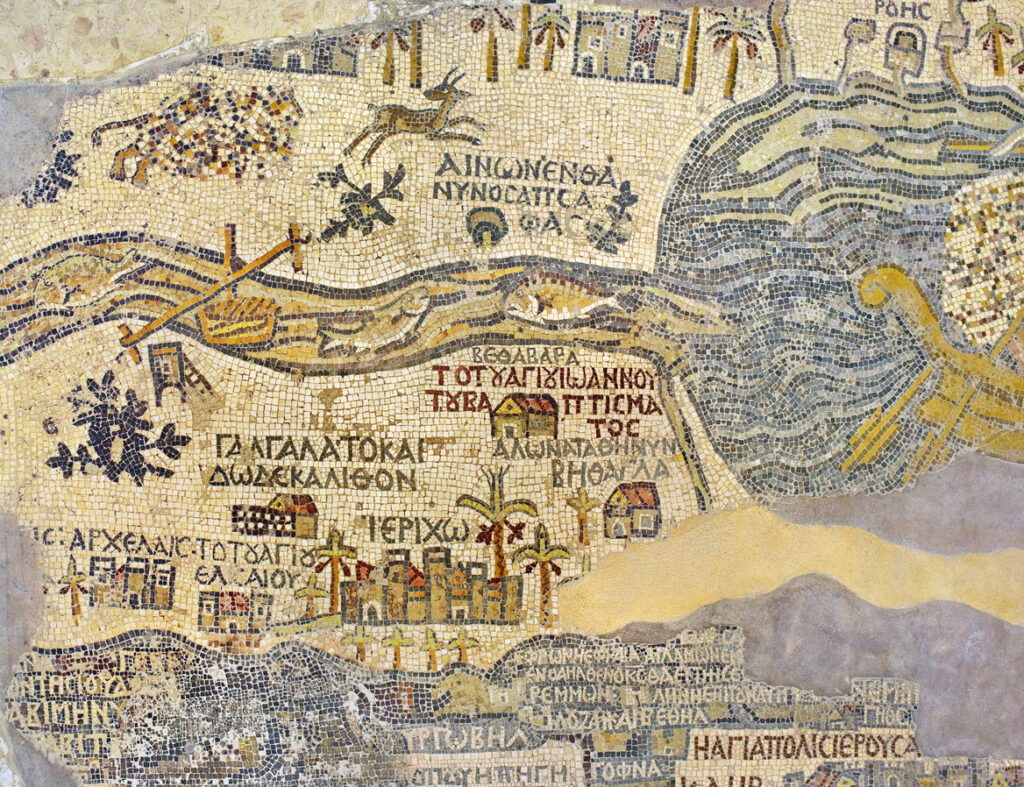
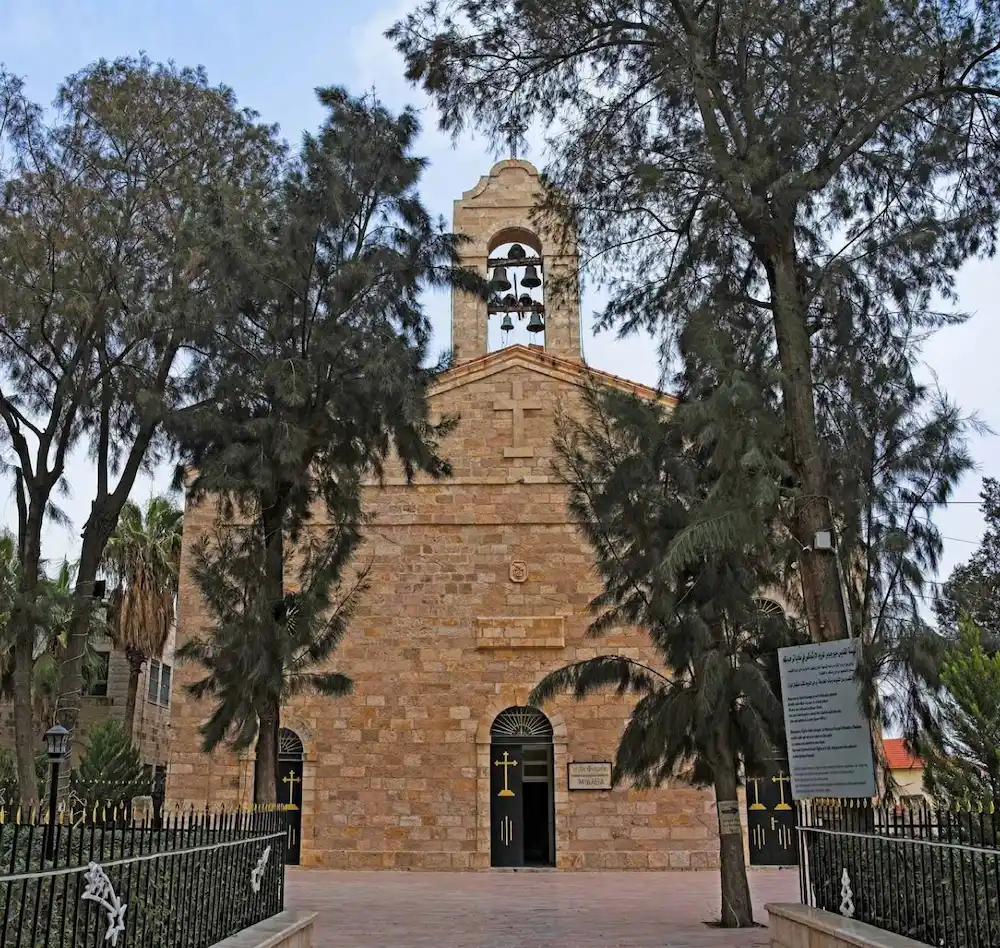
Today, Madaba is a thriving city known as the “City of Mosaics,” celebrated for its extraordinary archaeological sites, ancient churches, and vibrant cultural life.
Excavations have continued, revealing layers of history from Roman, Byzantine, and early Islamic periods.
The city also hosts institutes and festivals dedicated to mosaic art, preserving its ancient craft for future generations.