
Visit Madaba

History of Madaba

Before Christianity, Madaba was a place of early settlements, trade routes, and human gathering, a crossroads where people met, exchanged, and built.

After Christ, the city grew into one of the region’s most important Byzantine centers, leaving behind mosaics and sacred maps that continue to tell its story to the world.

Through time, tribes settled, Arab culture took root, and traditions of hospitality, generosity, and shared meals became part of everyday life.

These layers of history did not replace one another, they built upon each other, forming the character of Madaba as it is today.
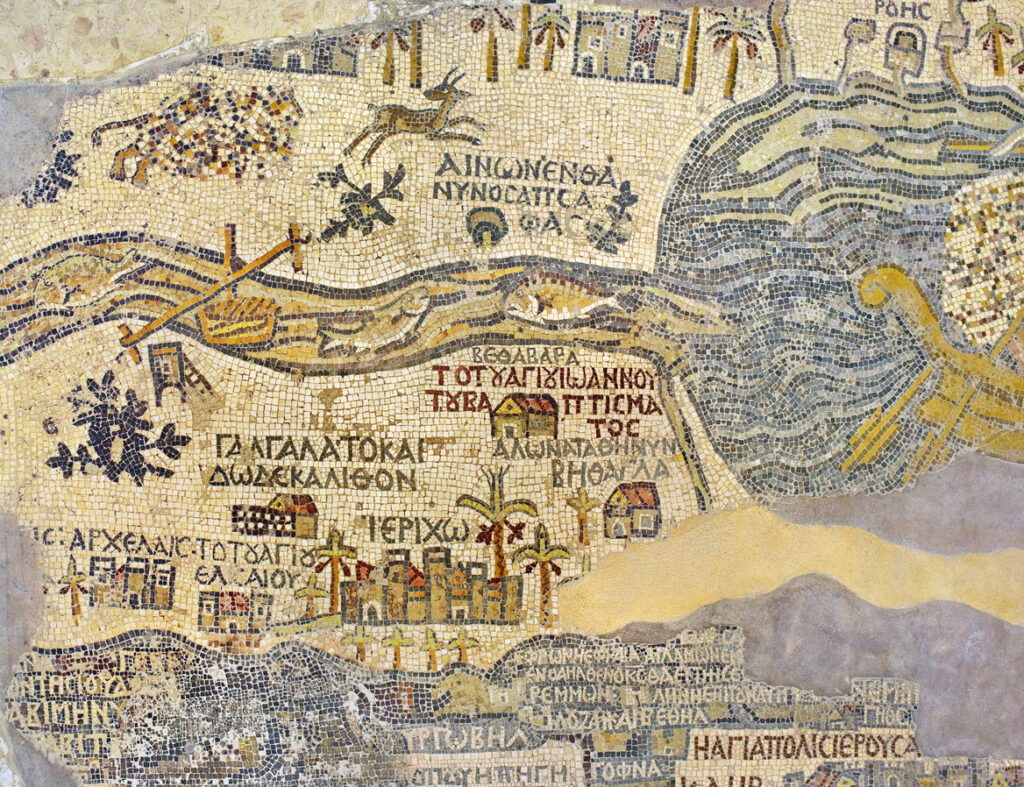
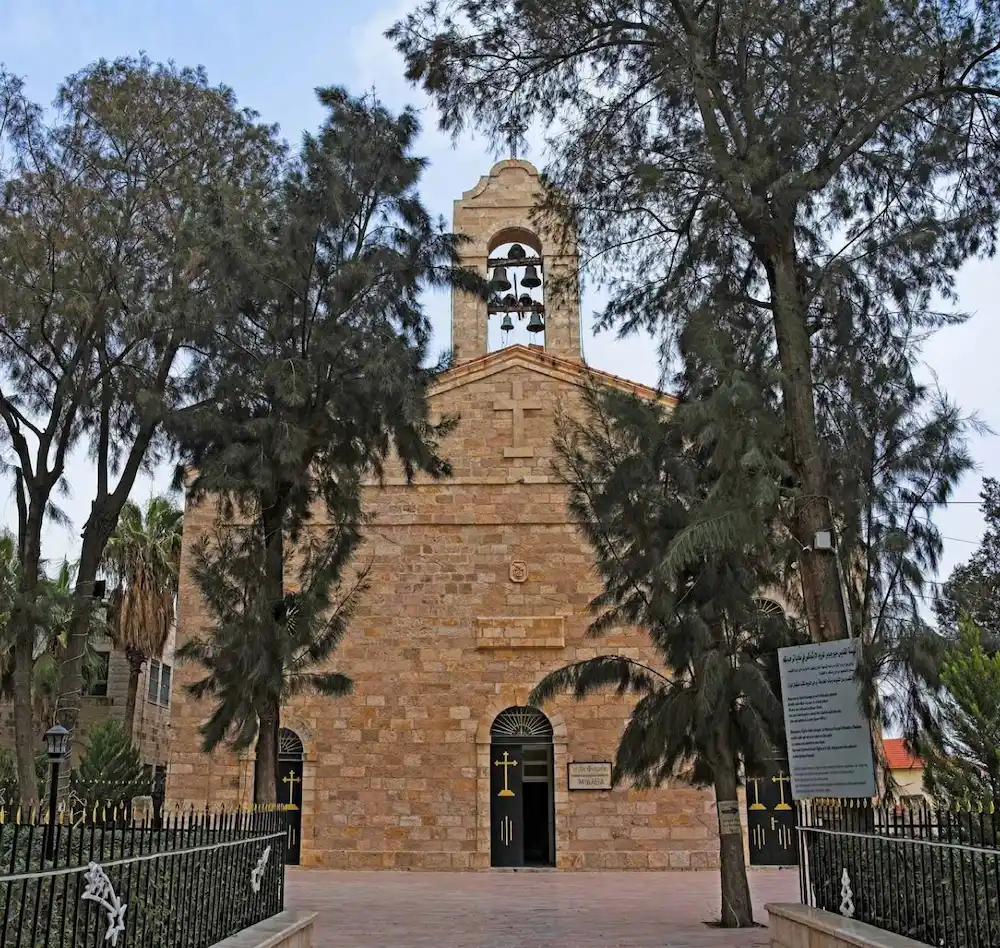
mosaic map

History of Madaba, from Prehistoric Times to Modern Day

  • Earliest Settlement (Bronze Age & Prehistory)Madaba’s story begins more than 4,000 years ago in prehistoric and Bronze Age times, when early communities lived on and around the fertile plateau of what is now modern Madaba. Archaeological evidence, including ancient settlement remains and stone tools, suggests the area was part of early human activity and ritual landscapes in the region long before any written records.
  • Iron Age & Moabite Kingdom (c. 13th–9th century BCE)By the Iron Age, Madaba became part of the Moabite realm, a kingdom east of the Dead Sea known from biblical and ancient Near Eastern texts. It was mentioned in the Hebrew Bible and the Mesha Stele as a contested frontier city between Moab and neighboring kingdoms.
  • Classical Antiquity, Roman & Nabataean Influence (1st–2nd century CE)As the Roman Empire expanded into the region in the 1st and 2nd centuries CE, Madaba came under Roman influence. The Romans reorganized the newly annexed territories, integrating them into the province of Arabia Petraea after conquering the Nabataean Kingdom of Petra. Public infrastructure and urban planning flourished during this era.
  • Byzantine Period (4th–7th century CE)Christianity spread widely in the region after the 4th century CE. During the Byzantine era, Madaba became a thriving center of Christian life and architecture. This period left behind some of the city’s most famous legacies: remarkable mosaic pavements, including the world-famous Madaba Map — a large floor mosaic created in the 6th century that depicts the Holy Land and surrounding regions with astonishing detail. Under Byzantine rule, churches, baths, and public buildings were constructed, emphasizing Madaba’s importance as both a religious and urban center. The city remained lively through much of the Byzantine period, with art and faith interwoven into daily life.
  • Early Islamic & Umayyad Period (7th–8th century CE)In 629 CE, Madaba came under the control of the Rashidun Caliphate following the early Islamic expansions. It continued to thrive into the Umayyad period, benefitting from trade, agriculture, and the continuation of artistic traditions such as mosaic work. Wikipedia However, a major earthquake in 746 CE devastated the region, and Madaba’s prominence declined sharply; many structures were abandoned and the city lay largely forgotten for centuries.
  • Abandonment and Rediscovery (8th–19th century CE)For nearly a millennium, Madaba remained sparsely occupied and largely unknown to the broader world. Little documentation exists from this long period of decline until the 19th century, when European explorers and archaeologists began to investigate the ruins and mosaics scattered across the site.
  • Modern Resettlement (1880s onward)In 1880, a group of Arab Christian families from nearby regions (including Al-Karak) resettled the site of ancient Madaba, rebuilding homes and uncovering its remarkable mosaics. In 1884, during construction efforts, the now-famous 6th-century mosaic map was rediscovered in the remains of an ancient church, a discovery that later brought international attention to the site.

Today, City of Mosaics & Cultural Heritage

Today, Madaba is a thriving city known as the “City of Mosaics,” celebrated for its extraordinary archaeological sites, ancient churches, and vibrant cultural life.

Excavations have continued, revealing layers of history from Roman, Byzantine, and early Islamic periods.

The city also hosts institutes and festivals dedicated to mosaic art, preserving its ancient craft for future generations.